Working Principle: Centrifugal Force for Tough Conveyance
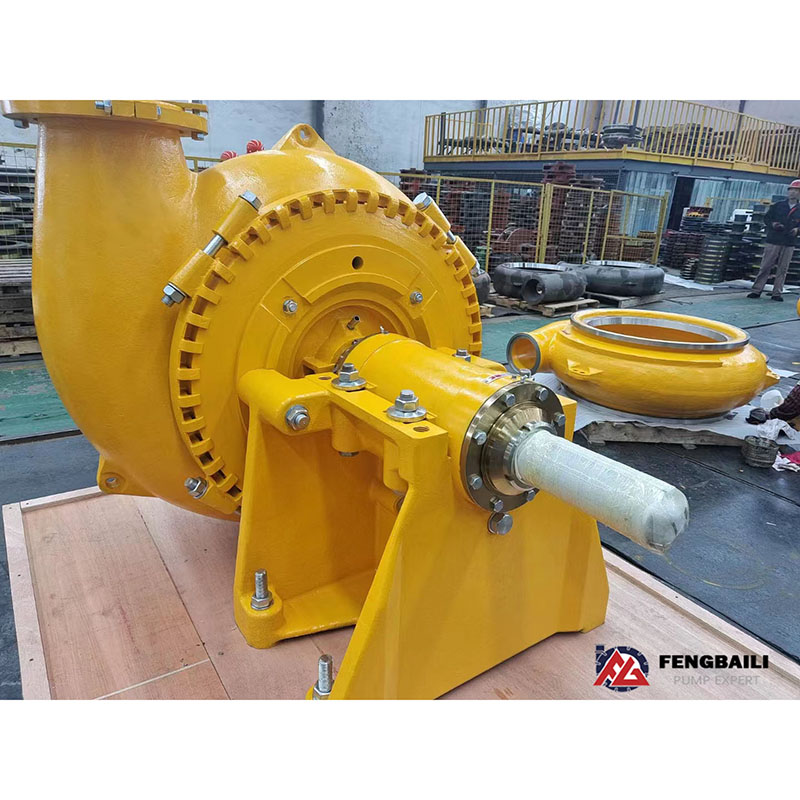
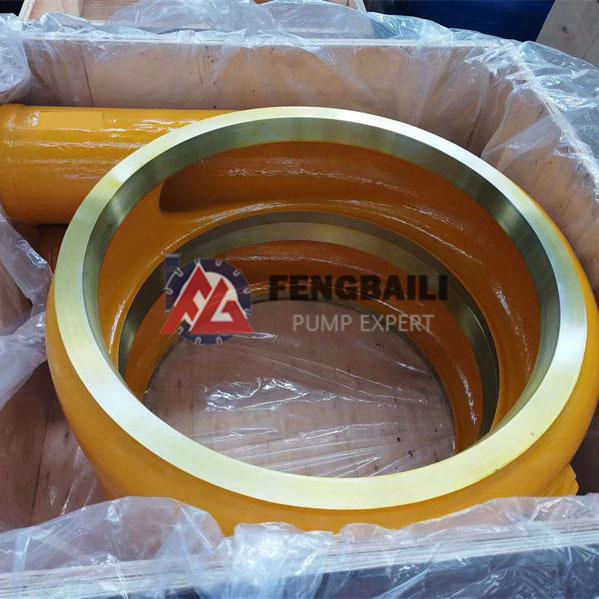
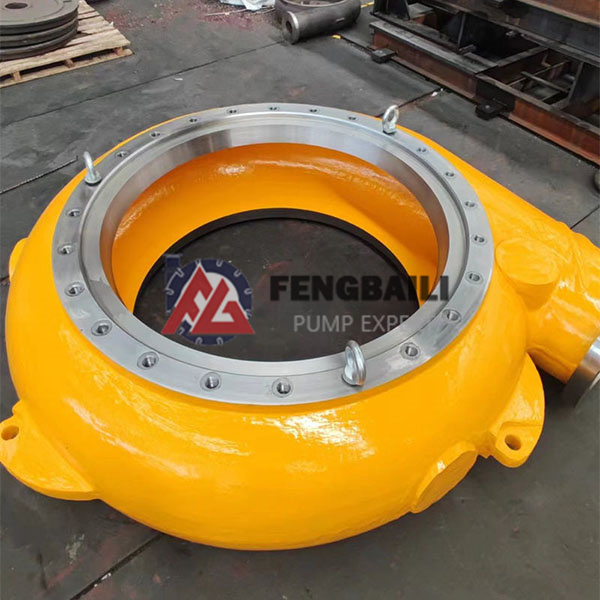
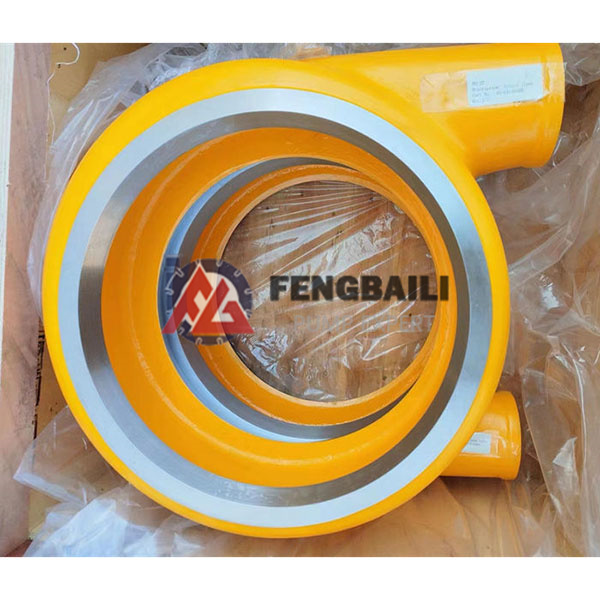
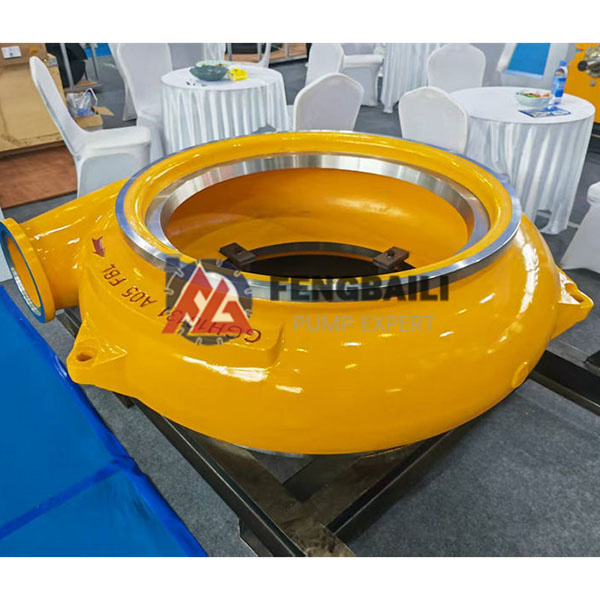
Sand gravel pumps operate on the fundamental principle of centrifugal force, a mechanism tailored to handle viscous slurries with high solid content. Powered by electric motors or diesel engines, the pump’s impeller rotates at high speeds, creating a strong centrifugal force field within the pump cavity. When the abrasive mixture enters the pump through the suction port, it is accelerated by the rotating impeller and pushed outward to the volute casing. The volute converts the kinetic energy of the slurry into pressure energy, enabling efficient long-distance conveyance of solids-laden fluids. This design ensures that even large particles—up to 254mm in diameter for heavy-duty models—can pass through smoothly without causing blockages.
Core Features: Durability and Efficiency Redefined
The robust performance of sand gravel pumps stems from specialized design elements and high-quality materials, addressing the challenges of abrasive environments:
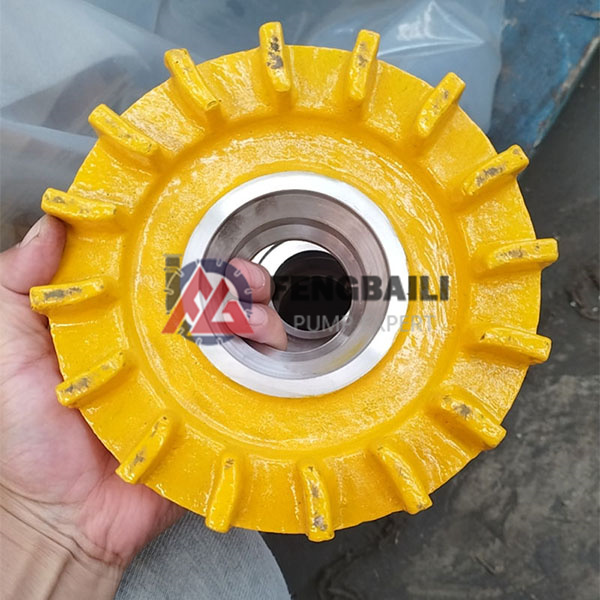
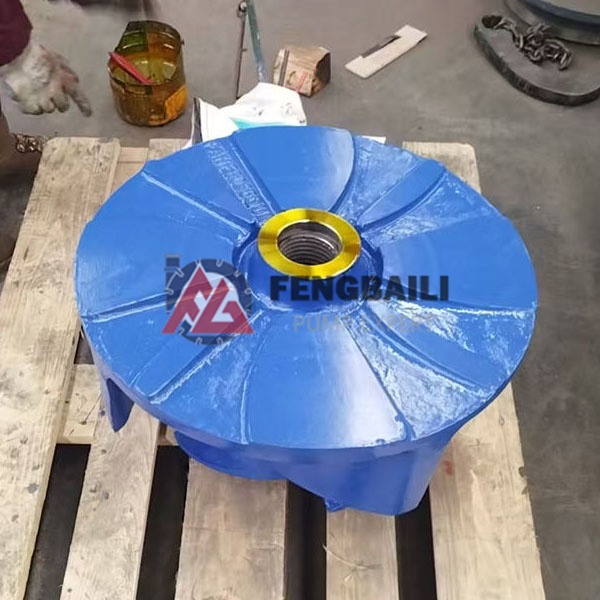
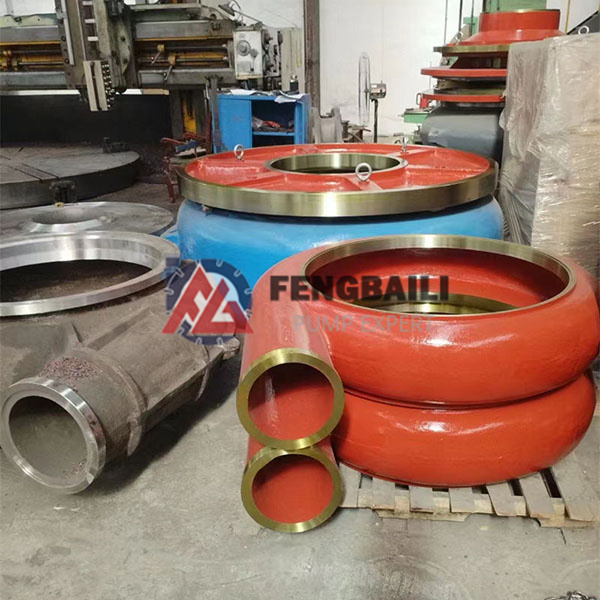
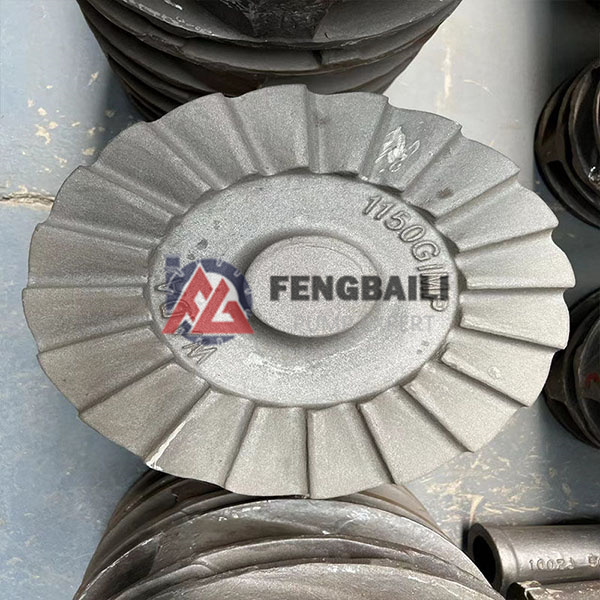
Wear-Resistant Components: Critical flow-through parts, including impellers, liners, and throat bushes, are crafted from high-chromium alloy, Ni-Hard cast iron, or polyurethane composites. These materials boast a hardness of over 58 HRC, extending the service life to five times that of standard pump components and minimizing replacement frequency.
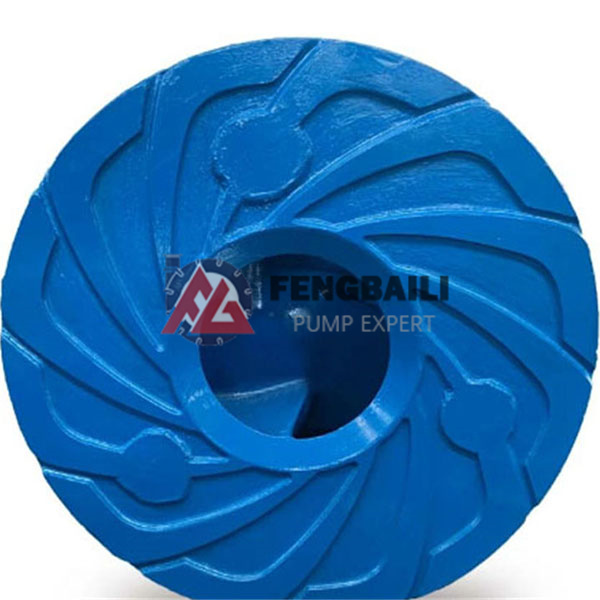
Anti-Clogging Design: Optimized wide flow channels and unique impeller structures enhance solid particle passage, preventing sedimentation and blockages even in high-concentration slurries. This feature is particularly vital for continuous operation in dredging and mining scenarios.
Reliable Sealing and Lubrication: Equipped with mechanical seals or packed gland systems, sand gravel pumps offer excellent leak-proof performance. Grease or oil lubrication for bearing assemblies ensures smooth operation and extends bearing life, even under high-load conditions.
Easy Installation and Operation: Designed with compact structures and clamp-band casings, these pumps allow for quick assembly and disassembly. Most models support both vertical and horizontal installation, adapting to diverse on-site requirements. User-friendly controls and clear rotation direction indicators simplify setup and operation.
Technical Specifications: Tailored to Diverse Needs
Sand gravel pumps are available in a range of models to suit specific industrial demands, with key specifications varying by type. Representative parameters include:
- Discharge Size: Ranging from 100mm (4”) to 450mm (18”) for G/GH series pumps, accommodating different flow rate requirements.
- Flow Capacity: Up to 4320 m³/h (19,008 gpm) for large-scale models like 18/16 TU-G, suitable for high-volume dredging projects.
- Head Pressure: Maximum 80m (260 ft) for high-head applications such as cyclone feed systems in mineral processing plants.
- Solid Handling Capacity: Capable of processing particles up to 254mm, with efficiency rates reaching 73% for energy-saving models.
Diesel engine-driven variants, such as the MG series, offer enhanced mobility for off-grid operations, while electric models provide stable performance for fixed installations. Adjustable impeller-back liner gaps in select models allow for performance optimization based on slurry characteristics.
Key Applications: Powering Critical Industries
The versatility of sand gravel pumps makes them indispensable across multiple sectors:
Mining and Metallurgy: Used for transporting ore slurries, coal tailings, and mineral concentrates in gold, copper, and iron ore mines. Their wear resistance ensures reliable operation in harsh underground and open-pit environments.
Dredging and Marine Engineering: Essential for sediment removal in rivers, lakes, and harbors, maintaining navigable waterways and supporting land reclamation projects. Cutter suction dredgers rely on sand gravel pumps to transfer dredged materials efficiently.
Construction and Infrastructure: Facilitate the transport of sand, gravel, and concrete mixtures for foundation pouring, trench backfilling, and road construction. Submersible models are ideal for dewatering construction sites and handling sludge.
Other Industries: Applied in sugar beet processing, tunneling, power plant ash handling, and sewage treatment, where abrasive or high-solid-content fluids require safe and efficient conveyance.
Maintenance and Troubleshooting
Proper maintenance is crucial to extending the service life of sand gravel pumps. Key practices include:
Regular inspection and replacement of worn parts (every 3-6 months, depending on operation intensity), cleaning of impellers and pipelines to prevent blockages, and lubrication of bearing assemblies. Before shutdown, pumps should run in clean water for several minutes to remove internal sediment. For submersible models, ensuring proper immersion depth and avoiding horizontal placement or sludge submersion is essential.
Common malfunctions such as vibration, insufficient flow, or reverse rotation can be resolved by tightening anchor bolts, checking power phase sequence, and clearing blockages. Most manufacturers offer warranties for structural components, excluding wear parts, ensuring reliable after-sales support.
In conclusion, sand gravel pumps are engineered to thrive in the harshest industrial environments, combining durability, efficiency, and versatility. By selecting the right model and adhering to maintenance protocols, businesses can significantly enhance operational productivity while reducing downtime and costs. As industrial processes evolve, these pumps continue to be refined, solidifying their position as a critical asset in global material handling operations.


 English
 Russian
 Spanish